Showing posts with label muscle. Show all posts

Friday, March 16, 2018

Glutamine: A Secret To Gaining Muscle!

Glutamine can help prevent muscle catabolism, promote muscle anabolism, enhances the immune system, and enhances glycogen storage. Learn how it can help you!
Glutamine is a very common supplement found in many bodybuilders' gym bags and in their protein shakes, yet it is also a nonessential amino acid that is overlooked by many in their quest in gaining muscle. Over the years, bodybuilders have begun to realize the advertised benefits of glutamine such as [1] prevents muscle catabolism which is basically the tearing down of muscle, [2] promotes muscle anabolism, which is basically muscle growth, [3] enhances the immune system, and [4] enhances glycogen storage.

WHAT IS GLUTAMINE?

Glutamine is classified as a nonessential amino acid, since it can be readily synthesized by various tissues such as the skeletal muscles, liver, and adipose tissue. Glutamine is the most abundant single amino acid found in the bloodstream, which comprises 61% of the free intracellular amino acid pool [most abundant amino acid in muscle tissue], while Branch Chain Amino Acids [BCAA'S] comprise 8.4% of the pool[11,24]. Glutamine's unique structure, containing two nitrogen side chains, consists of 19% nitrogen - making it the primary transporter of nitrogen into the muscle cells [10,23].
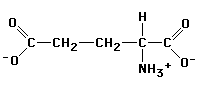
 
Glutamine Molecule
In the past couple years, Glutamine has gained importance through new studies revealing its unique contribution to protein synthesis [muscle growth], anti-catabolic [prevents muscle tissue] breakdown functions and growth hormone elevating effects. Due to these effects, Glutamine plays an important part in your body by aiding recovery of muscle cells[12].

WHAT DOES GLUTAMINE DO?

During exercise or other times of metabolic stress such as a precontest diet, severe injury, illness, etc., the demand for glutamine in your blood matrix (plasma) markedly increases. For instance, various cells of the immune system such as the lymphocytes and macrophages depend on glutamine as a primary fuel source, and thus the demand for glutamine increases when an immunological response is mounted [2]. Macrophages and lymphocytes are the primary virus and bacteria fighters in your bloodstream.
As glutamine travels through the body, the enterocytes of the small intestines are the largest consumers of glutamine accounting for about 40-50% of glutamine consumption. Also, glutamine is required for the synthesis of nucleotides. Thus, a sufficient supply of glutamine is particularly important for rapidly dividing cells such as the enterocytes and the immune cells. Therefore, the synthesis of glutamine may be insufficient to meet the physiological demand during times of severe, metabolic stress when the amount of free glutamine is rapidly depleted [3]. Therefore, it may be beneficial for people, who continuously place themselves in infectious areas or commonly get sick, to supplement with glutamine to aid virus/bacteria fighting cells.
Glutamine supplementation may also promote nitrogen retention [a positive nitrogen balance] and prevent the loss of muscle protein [4,6]. A decreased ratio of testosterone to cortisol is believed to be directly responsible for losses in muscle mass since cortisol promotes the synthesis of glutamine. By maintaining intracellular concentrations of glutamine within the skeletal muscles, the synthesis of glutamine mRNA may be inhibited resulting in the loss of intracellular nitrogen through glutamine may be prevented.
Therefore, it may be beneficial for bodybuilders, who continuously place themselves through strenuous workouts, to supplement with glutamine to aid when glutamine stores are depleted. Furthermore, by enhancing plasma concentrations of glutamine, the demand for free glutamine by other tissues and cells [e.g. the small intestine and immune cells] is attenuated and thus the release of glutamine from muscle tissues is reduced [3].

WHY DOES YOUR BODY NEED GLUTAMINE?

To fully understand why glutamine is beneficial to the body we must all endure a little Biochemistry lesson. The body uses glutamine to shuttle ammonia around in the body, so blood levels of glutamine try to maintain constant. Glutamine is craved by the digestive tract and the immune system as a fuel. Most bodybuilders eat more than enough protein from the supermarket, but they do not get enough glutamine through the digestion of meats and other proteins.
The muscles cells are the giant storehouses of glutamine. Under certain pathological circumstances the body's tissues need more glutamine than the overall amount supplied by diet and natural synthesis such as during a bodybuilder's strenuous workout[5,24].
During catabolic stress, for instance, intracellular glutamine levels can drop more than 50 percent, and plasma concentration can fall by 30 percent. It is under these circumstances that supplemental glutamine becomes necessary[23].
Skeletal muscle contains the greatest intracellular concentration of glutamine, comprising up to 60 percent of total body glutamine stores, and is considered the primary storage depot of glutamine, and thus the primary exporter of glutamine to other tissues [1]. In times of metabolic stress, glutamine is released into circulation, where it is transported to the tissue in need. Intracellular skeletal muscle glutamine concentration is affected by various assaults including injury, sepsis, prolonged stress, and starvation. Besides skeletal muscle, the lungs are the next largest producer of glutamine[9,12].
Glutamine is especially useful postworkout when nutrients are at a low until recovery. In this condition research shows glutamine levels are significantly reduced, taking up to one month to return to baseline[4]. In athletes, glutamine has been used as a marker to indicate overtraining. This fall in glutamine is catabolic to muscle tissue. BCAA's [comprising 37% of total muscle] are debranched from skeletal muscle, and the resulting molecules are used to synthesis glutamine.
In the catabolic state, glutamine is the first amino acid used to correct that deficiency. Glutamine drives protein into the muscle cell where it is synthesized for growth[6,8]. This means that additional Glutamine is necessary during periods of stress [such as intense weight training which induces a catabolic state which has been shown to uniformly decrease Glutamine levels by 50%, taking several hours to return to normal levels[1]. Additionally, L-Glutamine also decreases protein degradation [BCAA catabolism], resulting in bigger, stronger muscle cells[23].

RESEARCH FINDINGS

In a recent study of glutamine's role enhancing the immune system, glutamine demonstrated that increased levels of glutamine leads to greater amounts of virus and infection fighting cells, T and B Lymphocytes[7]. Cells of the immune system including the macrophages and lymphocytes depend on glutamine as a primary fuel source. In addition, it has been hypothesized that a high rate of glutamine consumption by these rapidly proliferating cells is required for sufficient nucleotide synthesis [14].
Research indicates that low levels of glutamine within the body may result in the increased susceptibility to infections and illness due to a suppressed immune system [2]. The ability to reproduce and the activity of immune cells in vitro have reportedly been suppressed in trials lacking glutamine [15]. Tests also demonstrated that the increased rate of infection and illness [particularly infections of the upper respiratory tract] has been reported among athletes participating in intense, long duration sports activities [e.g. marathon racing] [16].
It has been suggested that a decline in plasma glutamine concentrations may be one of the factors responsible for this increased rate of illness. Specifically, the activity of natural killer cells, a reduced number and proliferate ability of lymphocytes, and a reduced ratio of T-helper to T-suppressor cells may be the result of prolonged, exhaustive exercise [16].
In another study of glutamine's role on glucose and glycogen formation, the importance of glutamine was also emphasized. The human carbon based skeleton of glutamine can serve as a gluconeogenic precursor and may regulate gluconeogenesis, which is basically the production of glycogen, independently of the insulin/glucagon ratio[18]. Because glutamine may serve as a precursor to glucose independently of glucacon regulation, glutamine supplementation may also enhance glycogenolysis and thus increase muscle glycogen stores even when insulinlevels are low [19,20].
So basically glutamine helps regulate glycogen in your body when levels are low and may even increase them, which would result in better performance and growth. In a study by Varnier et al. Am J Physiol in 1995, groups of six subjects each cycled for 90 minutes at a moderate to very high-intensity [70 to 140% VO2 max]. The exercise protocol was designed to deplete glycogen stores.
Following exercise, the subjects were infused with 30 mg/kg body weight of either glutamine, alanine+glycine, or a saline solution. Two hours following exercise, muscle glycogen concentration increased significantly more in the subjects receiving glutamine than the subjects in the other groups [19].

BENEFITS & POSSIBLE DISADVANTAGES OF GLUTAMINE SUPPLEMENTATION

In the past several years, research has indicated that glutamine supplementation is safe for humans [21]. However, there is little data regarding long-term usage (more than a few weeks) of glutamine supplements. Furthermore, more research needs to be conducted to investigate the safety of glutamine supplementation at doses that are posited to promote nitrogen retention in the muscles.
Generally speaking, the consumption of any one, single amino acid in large doses may inhibit the absorption of other amino acids since amino acids (basic and neutral amino acids) tend to compete for transport across the intestinal epithelium. However, a study performed by Dechelotte et al. reported that glutamine is absorbed effectively in the small intestine [22].
Other research has indicted that the consumption of large doses of free amino acids may result in intestinal discomfort (e.g. abdominal pains and diarrhea) due to the electrolyte-like properties of the amino-acids.

COST & USE OF GLUTAMINE

Glutamine and L-Glutamine can be purchased as Glutamine or L-Glutamine, or in glutamine containing products. Glutamine containing products are protein shakes, protein powders, and protein drinks. Glutamine can be added to protein powder and protein shakes. Bodybuilders find taking glutamine to be more convenient when taken at the same time as their protein intake. L-Glutamine and glutamine often are tasteless.
The cost for a supply of glutamine (L-glutamine) ranges from about $14 to $54 and typically is sold in the form of gel capsules and powders.

PRODUCTS CONTAINING GLUTAMINE


However, glutamine is relatively unstable in solution, and thus glutamine powders must be consumed shortly after being mixed into solution. Some manufacturers of the supplement recommend consuming glutamine in divided dosages throughout the day. It has also been suggested that glutamine be consumed shortly before sleep (a 6-8 hours of non-eating) and after waking. It is recommended to take at least 5 grams 30 minutes before and after you train and another 5 grams before bed.

ARE THERE ANY SIDE EFFECTS?

It is completely safe. There are no known side effects[7].

CONCLUSION

Hopefully this article are opened you to the topic of glutamine supplementation. Supplementing with glutamine can result in measurable gains in strength, muscularity, and immune function. Taking glutamine before and during a work out will increase performance and delay fatigue. This amino acid is needed for the maintenance of muscle tissue during physical stress and intense exercise and plays a crucial role in the fight against sickness. From the perspective of athletes, glutamine functions as an anabolic agent, which allow the body to burn fat and not muscle. Therefore, glutamine is crucial in your quest for muscle growth.

Sources
  • Lacey JM, Wilmore DW. Is glutamine a conditionally essential amino acid? Nutr Rev. 1990;48:297-309.
  • Castell LM, Poortmans JR, Newsholme EA. Does glutamine have a role in reducing infections in athletes? Eur J Appl Physiol. 1996;73:488-90.
  • Antonio J, Street C. Glutamine: a potentially useful supplement for athletes. Can J Appl Physiol. 1999;24:1-14.
  • Groff J, Gropper S, Hunt S. Advanced Nutrition and Human Metabolism Second Edition. St. Paul, MN:West Publishing Company.1995.
  • Rennie MJ, MacLennan PA, Hundal HS, Weryk B, Smith K, Taylor PM, Egan C, Watt PW. Skeletal muscle glutamine transport, intramuscular glutamine concentration, and muscle-protein turnover. Metabolism. 1989;38(8 Suppl 1):47-51.
  • Stehle P, Zander J, Mertes N, Albers S, Puchstein C, Lawin P, Furst P. Effect of parenteral glutamine peptide supplements on muscle glutamine loss and nitrogen balance after major surgery. Lancet. 1989;1:231-3.
  • Hankard RG, Haymond MW, Darmaun D. Effect of glutamine on leucine metabolism in humans. Am J Physiol. 1996;271:E748-54.
  • MacLennan PA, Smith K, Weryk B, Watt PW, Rennie MJ. Inhibition of protein breakdown by glutamine in perfused rat skeletal muscle. FEBS Lett. 1988;237:133-6.
  • MacLennan PA, Brown RA, Rennie MJ. A positive relationship between protein synthetic rate and intracellular glutamine concentration in perfused rat skeletal muscle. FEBS Lett. 1987;215:187-91.
  • Hickson RC, Wegrzyn LE, Osborne DF, Karl IE. Alanyl-glutamine prevents muscle atrophy and glutamine synthetase induction by glucocorticoids. Am J Physiol. 1996;271:R1165-72.
  • Palmer TE, Griffiths RD, Jones C. Effect of parenteral L-glutamine on muscle in the very severely ill. Nutrition. 1996;12:316-20.
  • Haussinger D, Lang F, Gerok W. Regulation of cell function by the cellular hydration state. Am J Physiol. 1994;267:E343-55.
  • Vom Dahl S, Haussinger D. Nutritional state and the swelling-induced inhibition of proteolysis in perfused rat liver. J Nutr. 1996;126:395-402.
  • Newsholme EA, Crabtree B, Ardawi MSM. The role of high rate of glycolysis and glutamine utilisation in rapidly dividing cells. Biosci Rep. 1985;5:393-400.
  • Calder PC, Yaqoob P. Glutamine and the immune system. Amino Acids. 1999;17:227-41.
  • Castell LM, Newsholme EA. The effects of oral glutamine supplementation on athletes after prolonged, exhaustive exercise. Nutrition. 1997;13:738-42.
  • Keast D, Arstein D, Harper W, Fry RW, Morton AR. Depression of plasma glutamine concentration after exercise stress and its possible influence on the immune system. Med J Aust. 1995;162:15-8.
  • Castell LM, Poortmans JR, Leclercq R, Brasseur M, Duchateau J, Newsholme EA. Some aspects of the acute phase response after a marathon race, and the effects of glutamine supplementation. Eur J Appl. Physiol. 1997;75:47-53.
  • Varnier M, Leese GP, Thompson J, Rennie MJ. Stimulatory effect of glutamine on glycogen accumulation in human skeletal muscle. Am J Physiol. 1995;269:E309-15.
  • Perriello G, Nurjhan N, Stumvoll M, Bucci A, Welle S, Dailey G, Bier DM, Toft I, Jenssen TG, Gerich JE. Regulation of gluconeogenesis by glutamine in normal postabsorptive humans. Am J Physiol. 1997;272:E437-45.
  • Ziegler TR, Benfell K, Smith RJ, Young LS, Brown E, Ferrari-Baliviera E, Lowe DK, Wilmore DW. Safety and metabolic effects of L-glutamine administration in humans. J Parenter Enteral Nutr. 1990;14(4 Suppl):137S-146S.
  • Dechelotte P, Darmaun D, Rongier M, Hecketsweiler B, Rigal O, Desjeux JF. Absorption and metabolic effects of enterally administered glutamine in humans. Am J Physiol. 1991;260:G677-82.
  • 1997-2003 by Quest For Anabolic Conditioning (QFAC) Bodybuilding,
  • Castell LM, Poortmans JR, Newsholme EA. Does glutamine have a role in reducing infections in athletes? European Journal of Applied Physiology (1996) 73: 488-490.

Wednesday, February 28, 2018

Top 5 Reasons To Use Creatine: Get The Results You're Looking For Faster Than Ever!

Here's how creatine, one of the most popular bodybuilding supplements on the market, can help you build more muscle and perform to your full potential.
Creatine is one of the least expensive muscle-building and sports performance supplements available, and also one of the most effective for bodybuilding. It can give you more energy, bigger muscle pumps, and can help you work out harder and more often so you can get better results from your training.

WHAT DOES CREATINE DO?

Creatine helps increase your ATP stores, or adrenaline triphosphate. ATP is the chemical form of energy that your body uses when you move. So basically, creatine helps you have more energy, especially for quick, intense movements.
Layne Norton explains more about the science in his article, "Creatine: Fact and Fiction."

IS CREATINE GOOD FOR YOU?

Creatine works by raising the levels of the chemicals that are present naturally in your body that help you create energy. As such, it has a number of potential benefits and has been shown through extensive clinical research to be safe, without adverse health risks.1

WHY SHOULD YOU CONSIDER TAKING CREATINE?

1. WORK OUT HARDER AND BUILD MORE MUSCLE MASS

Taking creatine will help to increase your overall workout intensity, which means you will achieve a higher level of muscle mass.2
The creatine will allow you to keep pushing hard in the gym at a time when you would usually have to decrease the load or stop entirely, so this helps in terms of building muscle faster.

Keep in mind that you will still need to push yourself with each and every session, and feed your body enough calories for the muscle mass to be built, but supplementing with creatine makes this very possible.
Individuals who struggle to maintain enough volume in their workout program will be the ones to really benefit from using creatine, so if that's you, don't overlook the impact this supplement can give you.

2. IMPROVE ATHLETIC PERFORMANCE

While you might not think of going to the gym as a sport, the fast, intense movements—especially if you're into powerlifting, CrossFit, or boot camp—work your body in ways similar to other athletes.
These types of activities will rely primarily on the CP-ATP system, so by ensuring your supply of creatine phosphate is fully stocked, you ensure you don't sputter out after a few sprints.3
To put this into perspective, a player in a game of hockey taking creatine would not only be able to go harder with each shift they're on the ice, but they'll be able to last through more shifts total throughout the game.

3. RECOVER BETTER SO YOU CAN TRAIN MORE OFTEN

Creatine allows you to train at a higher frequency, which means quicker and more significant muscular gains.
The more frequently you are able to stimulate a muscle, the faster it will grow—provided that it has had the opportunity to fully grow back after the first stress load that was placed upon it.
Since creatine helps increase the recovery rate of the muscle cells, you may not require as much total rest time in between workouts.4
So if you're someone who commonly takes a few days off between each full-body workout, using creatine may allow you to cut this down to just a single day between workouts. Over time, this will translate to more workouts and will make a difference on your results from month to month.

4. GET CRAZY HUGE MUSCLE PUMPS

While muscle pumps don't necessarily help you out physiologically in terms of building muscle mass, they will help with motivation levels.
What creatine does is increase the water volume in your body, since glycogen binds to water when it is stored, so you get a bigger pump.5 There's nothing like seeing a muscle grow at the end of a workout to motivate you to get back into the gym and do it again a day or two later. And this consistency in your training will further maximize your gains.
Usually you will see the highest muscle pumps when you initially begin taking creatine and are doing the loading phase (a small amount of bloating may be present as well), then it will level off as your body gets used to having creatine in the system.

5. INCREASE METABOLIC RATES WITH FASTER SPRINT PERFORMANCES

Creatine can help you increase your metabolic rate.6 This is good news if you're currently looking for fat-loss solutions, since how many calories you burn on a daily basis will have a significant impact on how quickly you see progress.
Since sprint cardio training is one of the best ways to boost your metabolic rate, and sprinting relies strictly on ATP as a fuel source, supplementing with creatine allows you to have a better sprint performance during your weight-loss phase.
Additionally, lowering your carbohydrates while aiming for weight loss often results in lower levels of energy, making it harder to get through your typical interval sessions.
By adding creatine to your day you can help offset this fatigue so, at the very least, you can maintain what you would normally do while not on a fat-loss diet.
REFERENCES
  1. Kreider, R. B., Kalman, D. S., Antonio, J., Ziegenfuss, T. N., Wildman, R., Collins, R., ... & Lopez, H. L. (2017). International Society of Sports Nutrition position stand: safety and efficacy of creatine supplementation in exercise, sport, and medicine. Journal of the International Society of Sports Nutrition, 14(1), 18.
  2. Hoffman, J., Ratamess, N., Kang, J., Mangine, G., Faigenbaum, A., & Stout, J. (2006). Effect of creatine and beta-alanine supplementation on performance and endocrine responses in strength/power athletes. International Journal of Sport Nutrition and Exercise Metabolism, 16(4), 430-446.
  3. Grindstaff, P. D., Kreider, R., Bishop, R., Wilson, M., Wood, L., Alexander, C., & Almada, A. (1997). Effects of creatine supplementation on repetitive sprint performance and body composition in competitive swimmers. International Journal of Sport Nutrition, 7(4), 330-346.
  4. Cooke, M. B., Rybalka, E., Williams, A. D., Cribb, P. J., & Hayes, A. (2009). Creatine supplementation enhances muscle force recovery after eccentrically-induced muscle damage in healthy individuals. Journal of the International Society of Sports Nutrition, 6(1), 13.
  5. Ziegenfuss, T. N., Lowery, L. M., & Lemon, P. W. (1998). Acute fluid volume changes in men during three days of creatine supplementation. Journal of Exercise Physiology, 1(3), 1-9.
  6. Whyte, L. J., Gill, J. M., & Cathcart, A. J. (2010). Effect of 2 weeks of sprint interval training on health-related outcomes in sedentary overweight/obese men. Metabolism, 59(10), 1421-1428.

Wednesday, February 14, 2018

Top 5 Benefits Of Vitamin D

Vitamin D is an often-overlooked, under-consumed nutrient that plays a major role in your overall health and performance in the gym. Learn how to make sure you're getting enough so you can be on top of your game!
                          

You probably know it as the "sunshine vitamin," or the vitamin that helps maintain strong bones, but there's a lot more to Vitamin D than meets the eye. It serves a variety of functions in the body, including maintaining optimal bone and muscle health, as well as having favorable effects on inflammation.1 Unfortunately, most of us don't get enough vitamin D on a daily basis, with a reported one billion people worldwide having a deficiency.2
While your training regimen and supplement stack may be on point, missing out on this oh-so-important nutrient can wreak havoc on overall health, as well as reduce performance in the gym. So it's about time we give this nutrient the attention it deserves. Pour yourself a glass of milk (fortified with vitamin D of course) and read up on the latest findings on how vitamin D can optimize your health.

BENEFIT 1: STRONGER BONES

When you think of strong bones, calcium often comes to mind. Calcium is the major player when it comes to bone health and increasing bone mineral density, but don't overlook the importance of vitamin D.
Previous research has shown that vitamin D is a strong stimulator of calcium deposition in bones, making them stronger and healthier.2 If you're not getting enough vitamin D, your body begins to slow or stop depositing calcium into bones, eventually drawing calcium out from your bones back into the bloodstream. Over time, this constant cycle of deposit and withdrawal will make your bones weak and at high risk for fractures.3

BENEFIT 2: IMPROVED MUSCLE FUNCTION

Short-changing yourself when it comes to vitamin D supplementation could be interfering with your strength gains. Research published in the Iranian Journal of Public Health in 2010 reported that over 70 percent of men ages 20-29 had some level of vitamin D deficiency.4


SHORT-CHANGING YOURSELF WHEN IT COMES TO VITAMIN D SUPPLEMENTATION COULD BE INTERFERING WITH YOUR STRENGTH GAINS.
Additionally, vitamin D deficiency is relatively common in athletes and is associated with muscle weakness and atrophy, specifically Type 2 muscle fiber atrophy. Skipping out on this vitamin is just as bad as skipping out on leg day.

BENEFIT 3: PROTECTION FROM CARDIOVASCULAR DISEASE

The classic function of vitamin D is to increase absorption of calcium to maintain proper bone health, but did you know it has a protective effect on your heart? Recent evidence has demonstrated that individuals deficient in vitamin D are at an increased risk for high blood pressure, heart disease, sudden cardiac death, or heart failure.5-7
Although the exact mechanisms are unclear at this time, it appears that vitamin D can help lower blood pressure, improve vascular compliance (how elastic your arteries are), and improve glycemic control. Save your heart by supplementing with the D!

BENEFIT 4: DECREASED RISK OF TYPE 2 DIABETES

Type 2 diabetes can lead to some devastating long-term complications, including nerve damage, heart disease, eye damage and vision loss, and kidney failure. Recent evidence suggests that vitamin D may play a significant role in reducing the risk for type 2 diabetes—especially in those who are at an increased risk for this deadly disease.
Several observational studies have shown improvements in beta cell function, insulin sensitivity, and whole-body inflammation with higher levels of vitamin D. A recent study calculated the risk of developing type 2 diabetes according to baseline vitamin D status and found those with the highest baseline levels had a 38 percent lower risk of developing type 2 diabetes compared to those with the lowest vitamin D levels.8

SEVERAL OBSERVATIONAL STUDIES HAVE SHOWN IMPROVEMENTS IN BETA CELL FUNCTION, INSULIN SENSITIVITY, AND WHOLE-BODY INFLAMMATION WITH HIGHER LEVELS OF VITAMIN D.

BENEFIT 5: REDUCED RISK OF CANCER

Is there anything this vitamin can't do? Research suggests that sufficient vitamin D levels in adulthood may significantly reduce the risk for many types of cancer, including colon, breast, ovarian, and prostate.
Vitamin D is one of the most potent inhibitors of cancer-cell growth, and reduces the risk of cancer by increasing calcium absorption and cell differentiation, while reducing metastasis (the spread of cancer from one organ to another).9
Have I convinced you yet to start supplementing with vitamin D?

BEWARE OF D-FICIENCY

How much of this overlooked vitamin should you be getting a day? Currently, the Institute of Medicine Food and Nutrition Board is the governing body that sets guidelines for intakes of all kinds of nutrients, including vitamin and minerals. The recommended daily allowance (or RDA) for vitamin D is currently 600 IU per day for men and women between the ages of 9 and 70.10
However, it is likely that this value is an underestimation. The currently established upper intake level is 4,000 IU per day, but research has reported no adverse health effects to taking 6,000 IU per day for up to 12 weeks.11
Keep in mind that the RDA value is primarily based off of outcomes centered around bone health, without taking all of the other beneficial things that vitamin D does into account. The take-home point is that you should be much more worried about getting too little vitamin D than too much.

BEST SOURCES OF VITAMIN D

How can you make sure you’re getting enough of this incredible nutrient? Here are three easy ways to get vitamin D, none of which will break the bank.

THE SUN

One of the easiest, and not to mention free, ways to be on your way to your daily dose of Vitamin D is to just get out in the sun! When your skin is exposed to UVB radiation from sunlight, previtamin D is formed before being shuttled into the bloodstream. From there, it is quickly moved to the liver and converted to vitamin D.
Production in the skin is maximized in roughly 10-15 minutes, depending mainly on skin pigment (darker skin colors may require a little more time out in the sun).13 Anything longer than that will just result in the formation of byproducts, such as tachysterol and lumisterol, possibly as a way to prevent toxicity.

YOUR DIET

Another way to make sure you hit your daily allotment is through your diet. While vitamin D is not naturally plentiful in many foods, oily fish like salmon and trout, as well as dairy, eggs, plants, and fungi all contain varying amounts. In an effort to combat high incidences of vitamin deficiencies, many foods are now fortified with vitamin D as well, such as breads, cereals, and milk.


SUPPLEMENTATION

If you find yourself short on time or just don’t want to have to think about it too much, a great way to get your vitamin D for the day (and lots of other vitamins too) is through a multivitamin. Most multivitamin supplements include at leastthe RDA value of 600 IU, with many containing between 1,000 and 2,000 IU.
Supplementation becomes extremely important during the winter months, when you're more likely to have limited exposure to sunlight. Try to take in at least 600 IU per day to get your daily allowance, but since this may be an underestimation, don’t be afraid to go a little bit higher.
While we may not know the exact amount needed, there's no questioning the importance of vitamin D. Make it a staple in your diet, and take your health and performance to the next level.

REFERENCES

  1. Laird, E., Ward, M., McSorley, E., Strain, J. J., & Wallace, J. (2010). Vitamin d and bone health; potential mechanisms. Nutrients, 2(7), 693-724.
  2. Naeem, Z. (2010). Vitamin d deficiency-an ignored epidemic. International Journal of Health Sciences, 4(1), V.
  3. Ooms, M. E., Roos, J. C., Bezemer, P. D., Van Der Vijgh, W. J., Bouter, L. M., & Lips, P. A. U. L. (1995). Prevention of bone loss by vitamin D supplementation in elderly women: a randomized double-blind trial. The Journal of Clinical Endocrinology & Metabolism, 80(4), 1052-1058.
  4. Rahnavard, Z., Eybpoosh, S., Homami, M. R., Meybodi, H. A., Azemati, B., Heshmat, R., & Larijani, B. (2010). Vitamin D deficiency in healthy male population: Results of the Iranian multi-center osteoporosis study. Iranian Journal of Public Health, 39(3), 45.
  5. Giovannucci, E., Liu, Y., Hollis, B. W., & Rimm, E. B. (2008). 25-hydroxyvitamin D and risk of myocardial infarction in men: a prospective study. Archives of Internal Medicine, 168(11), 1174-1180.
  6. Dobnig, H., Pilz, S., Scharnagl, H., Renner, W., Seelhorst, U., Wellnitz, B., ... & Maerz, W. (2008). Independent association of low serum 25-hydroxyvitamin D and 1, 25-dihydroxyvitamin D levels with all-cause and cardiovascular mortality. Archives of Internal Medicine, 168(12), 1340-1349.
  7. Forman, J. P., Giovannucci, E., Holmes, M. D., Bischoff-Ferrari, H. A., Tworoger, S. S., Willett, W. C., & Curhan, G. C. (2007). Plasma 25-hydroxyvitamin D levels and risk of incident hypertension. Hypertension, 49(5), 1063-1069.
  8. Song, Y., Wang, L., Pittas, A. G., Del Gobbo, L. C., Zhang, C., Manson, J. E., & Hu, F. B. (2013). Blood 25-Hydroxy Vitamin D Levels and Incident Type 2 Diabetes A meta-analysis of prospective studies. Diabetes Care, 36(5), 1422-1428.
  9. Grant, W. B., & Holick, M. F. (2005). Benefits and requirements of vitamin D for optimal health: a review.Alternative Medicine Review, 10(2), 94-111.
  10. Del Valle, H. B., Yaktine, A. L., Taylor, C. L., & Ross, A. C. (Eds.). (2011). Dietary reference intakes for calcium and vitamin D. National Academies Press.
  11. Close, G. L., Leckey, J., Patterson, M., Bradley, W., Owens, D. J., Fraser, W. D., & Morton, J. P. (2013). The effects of vitamin D3 supplementation on serum total 25 [OH] D concentration and physical performance: a randomised dose-response study. British Journal of Sports Medicine, bjsports-2012.
  12. Holick, M. F. (2004). Sunlight and vitamin D for bone health and prevention of autoimmune diseases, cancers, and cardiovascular disease. The American Journal of Clinical Nutrition, 80(6), 1678S-1688S.
  13. Armas, L. A., Dowell, S., Akhter, M., Duthuluru, S., Huerter, C., Hollis, B. W., ... & Heaney, R. P. (2007). Ultraviolet-B radiation increases serum 25-hydroxyvitamin D levels: the effect of UVB dose and skin color. Journal of the American Academy of Dermatology, 57(4), 588-593


Saturday, February 3, 2018

SERGIO OLIVA JR

WEDFGH


Sergio Oliva Jr. is on a mission to become one of the greatest bodybuilders in the world. And he has teamed up with Labrada Nutrition to help him reach his lofty goal. Sergio Oliva Jr. has quite the bodybuilding legacy behind him. His legendary Cuban-born father is three-time Mr. Olympia Sergio Oliva who was one of three men, and the last, to beat Arnold Schwarzenegger in a bodybuilding contest. His mother, Arleen Garrett, is a former three-time world female bodybuilding champion and Ms. America who had a remarkable ten year career herself.
His pedigree doesn’t intimidate the Chicago-based super-heavyweight, but it makes him more determined to leave his own mark on the sport of bodybuilding.
“I was 20 years old when I started training in 2004. I ran track and played water polo in high school. What may surprise people is that my dad, Sergio Sr., was actually against me bodybuilding when I started. Not only did he not want me to compete but he didn’t even want me working out, lifting weights, none of it. He felt I should focus on other things instead. I was pretty set that this was what I wanted to do with my life though, so I did it anyway. When I first started lifting, I weighed 140 pounds. Three months later I had put on 30 pounds of muscle. The following year, I competed. When I set my mind to doing something, I’m going to find a way to do it so there’s no stopping me.”
Sergio Jr. has won four titles thus far, including the NPC Northwest Florida, NPC Panhandle Showdown, NPC Midwest Iron Man, and NPC Southern USA. He recently placed third in the Super-Heavyweight class at the 2014 NPC Junior Nationals.
The 29 year old put on 25lbs of muscle over the last two years, transforming his physique while climbing through the light-heavyweight and heavyweight classes at his competitions. He now competes as a Super-Heavy packing a heavily muscled 250lbs on his six-foot frame. Sergio Jr. sports the same trademark Oliva arms and legs that made his father famous.
“I feel another strength is my mind and my drive. I never settle. Nothing is ever good enough for me. I also don’t rely on the fact that my name is Sergio Oliva and I have this bodybuilding heritage behind me. If anything, I work as if it’s held against me and I have to work harder to make my own mark on the sport. That not only helps me improve as a bodybuilder but also in all aspects of my life, and will help me better represent Labrada Nutrition.”


Sergio's Bio


Sergio Oliva Jr. has quite the bodybuilding family legacy behind him. His legendary Cuban-born father is three time IFBB Mr. Olympia Sergio Oliva, who was one of three men (and the last) to beat Arnold Schwarzenegger in a bodybuilding contest. His mother, Arleen Garrett, is a former three time world female bodybuilding champion and Ms. America who had a remarkable ten year career herself. This doesn’t intimidate the Chicago-based super-heavyweight, but it does make him more determined to leave his own mark on the sport of bodybuilding. In this interview, we learn more about the newest member of Team Labrada-- not only about his past and where he’s been, but about his future and where he knows he will be.
  • TL: Sergio, please tell us a little about yourself.
    SO: Well, I’m 29 years old, and was born in Chicago, where I still live today. I spent some time in Miramar Beach, Florida as well before coming back home. I currently work as a personal trainer in the Chicago area. I’m not really used to talking about myself-- I just like to keep my head down and let my work and physique do my talking.
  • TL: When did you start training and how involved was your dad in helping you along the way?
    SO: I was 20 years old when I started training in 2004. I ran track and played water polo in high school. What may surprise people is that my dad, Sergio Oliva Sr., was actually against me training with weights when I started, so he wasn’t involved much at all.
  • TL: So he actually didn’t want you to get into bodybuilding?
    SO: Not only did he not want me to compete, but he didn’t even want me to start working out, lifting weights, none of it. He felt I should focus on other things instead. I was pretty set that this was what I wanted to do with my life though, so I did it anyway. When I first started lifting I weighed 140 pounds. Three months later I had put on 30 pounds of muscle. The following year, I competed. When I set my mind to doing something, I’m going to find a way to do it so there was no stopping me.
  • TL: How supportive was your mom, Arleen Garrett, when you decided you wanted to pursue bodybuilding?
    SO: My mom was actually completely supportive of this and wanted to help as much as she could. She competed for ten years and knows the sport as well as anyone, so she was a great guide and mentor for me.
  • TL: So when did you go from the gym to the stage?
    SO: My first competition was the 2006 NPC Southern States. I competed as a middleweight, weighing in at 176 pounds. I finished second in that show. Every year that I’ve competed since, I’ve gone up a weight class. So I’ve competed as a light-heavyweight and then as a heavyweight after that. I took last year off and I’ll be going into the Junior Nationals this year on June 14th as a super-heavyweight which is the heaviest class. This will be something new for me as I’ve never competed in this weight class before. (Editor’s note: Sergio came in third place in the Super-Heavyweight class at the 2014 NPC Jr. Nationals.
  • TL: So how many shows have you won so far?
    SO: I’ve won four competitions as an amateur. My first win was the NPC Northwest Florida, then I won the NPC Panhandle Showdown, the NPC Midwest Iron Man, and the NPC Southern USA’s. I’m working on my goal of eventually getting my pro card.
  • TL: You said you’ll be a super-heavyweight this year. There is no weight limit in that division. Are you concerned about being outsized?
    SO: Not really. I know there will be some big boys there, but my focus is on being as conditioned as possible instead of trying to get bigger for the sake of being bigger. I believe quality is more important than quantity. The biggest guy doesn’t always win, and I’ll be around 260 pounds when I step onstage, so I won’t be the smallest guy either.
  • TL: Looking at your physique, what do you think are your strengths and what do you feel needs improving?
    SO: My legs are definitely my best body part. I think my upper body needs to catch up so that’s something I’ve focused on improving. I feel my posing is also a strength. I don’t just go up there and hit shots and walk off. You can see a lot of the history of bodybuilding when I’m onstage because I’ve added bits and pieces of the posing of many legendary bodybuilders into what I do. Guys like my dad, Frank Zane, and I’ve actually studied a lot of Lee Labrada’s posing routines and added a lot into what I do onstage. I also feel my conditioning is pretty good but I think it can be even better.
  • TL: I think though that if you were going to have a problem like that, I’d rather have bigger legs than a bigger upper body. You agree with that? 
    SO: I do. I also feel another strength is my mind and my drive. I never settle. Nothing is ever good enough for me. I also don’t rely on the fact that my name is Sergio Oliva and I have this bodybuilding heritage behind me. If anything, I work as if it’s held against me and I have to work harder to make my own impact or mark on the sport. So that not only helps me improve as a bodybuilder but I feel it will help me in all aspects of my life and as a sponsored athlete.
  • TL: That is a great segue into my next question. How does it feel to be a part of Labrada Nutrition?
    SO: It’s awesome. It’s crazy that it’s worked out like this because I’m such a fan of his and have used his products a lot over the years. I actually remember using the Super Charge that had the label with the picture of Lee doing dumbbell presses. I also remember the Lean Body products being lined up on the shelf of the gym trained at. He and his son Hunter are both great guys as well.
  • TL: So why Labrada Nutrition? I imagine you could’ve been sponsored and joined any company you wanted. What was it about Labrada that made it feel like it was a good fit for you?
    SO: Well I’ve been involved with another company in the past and I didn’t know a lot about their products because they didn’t train me in them, yet I was expected to promote them and they wanted to feature me in ads for them. They would just send me the bottle so they could legally say they had sent them to my address. I decided that I didn’t want to be a part of a company that operates like that.
  • TL: That makes sense on your part. So you felt comfortable with Labrada since you’ve taken their products in the past yourself, right?
    SO: I did and still do. I’m a longtime Labrada customer so I know that the products work and more importantly I also know how they work. I have no problem talking to people about the quality of the Labrada line as well as recommending the supplements to help them. The Labrada products taste great also. Great tasting plus great quality is a win-win. And think about this…How many times have you heard negative comments or seen bad publicity surrounding various supplement companies? I’ve never…NEVER…heard a bad word said about Lee or Labrada Nutrition and this is a company that’s been around for almost 20 years. That’s saying something.
  • TL: Take us behind the scenes for a minute. Many of us aren’t aware of what it’s like to be a part of the industry and getting involved with a top company like Labrada, so how did this relationship get going?
    SO: Well as I said before, I was a huge fan of Lee and I met him several years ago at an Olympia but I didn’t get to really talk to him until I saw him and his son, Hunter, at the Arnold Sports Festival in Ohio this year. They were both awesome guys to talk to as you probably know.
  • TL: I do and I also believe Hunter has a great future as well.
    SO: No doubt he does. Hunter is a great bodybuilder in his own right. After the Arnold, Lee actually reached out to me on Facebook. I hadn’t seen the message immediately so I didn’t know he was trying to contact me. Then he called me. Think about that. Lee Labrada took the time to look up my number and called me. As a fan, I was shocked to receive a voice mail from him.
  • TL: As I imagine anyone would be.
    SO: Exactly. Now this shows how awesome of a guy he is… I’m going to know who he is but when he called, he announced himself as “Lee Labrada, Hunter’s Dad”. That shows you how humble he is. Who wouldn’t want to work for a guy like that? So after we talked, Lee flew me down to Labrada headquarters in Houston, we spent a day together, and here we are.
  • TL: Ok, you said you know and like the products so I’m putting you on the spot. What are your favorite Labrada products?
    SO: Well I’ve already mentioned Lean Body and I also like Power Carb. Normally I would say that I take Super Charge pre-workout, but I was able to try this new concentrate preworkout that they’ve been developing and I love it so I’m going to start taking that as soon as I can get my hands on more of it. (Editor’s note: Labrada’s new Pre-Workout Performance Enhancing powder PE-1™ is now available.)
  • TL: I’m going to have to get in touch with Lee after this is over because now I’m wanting to try this for myself. SO: I stole some of Hunter’s and that is how I got to try it. (laughs) I also like the Coffee Bean Extract. I recommend those to my clients a lot and they like them too.
  • TL: Nice. So we discussed the company. Now let’s talk about the athlete. From your perspective, why is this a good fit?
    SO: So many athletes out there are with companies for money, exposure, or both. I’m going pro no matter what and I want to be a part of a company – a great company - that was there with me from the very beginning. I didn’t want to join a company just for the sake of having a sponsor. I also know Labrada’s supplement line pretty well so as a representative of the company, I’m confident that I’m able to explain the supplements with detail and knowledge. Also, as a personal trainer, I can help customers and fans of Labrada meet their goals. I feel that’s important. I also know how big of an opportunity this is because I’m the first male bodybuilder that Lee has ever signed. Lee hasn’t had the need to sponsor any other bodybuilders because he is already a famous bodybuilder himself. He is a former IFBB Mr. Universe, Mr. Olympia contender and IFBB Pro Bodybuilding Hall of Famer. So for him to work with me is a huge opportunity and I want to take full advantage of that.
  • TL: So as far as you’re concerned, this isn’t a temporary deal?
    SO: No. I’m committed to being a part of Labrada Nutrition and want them to be the only supplement company that I ever represent. At the end of the day, when athletes jump from company to company it makes them look bad because they appear like they’re only doing it for the money, and their word about the products can’t be taken seriously. I wanted to be a part of a top company that I felt would be supportive of me over the long term. I have found that company. In my opinion, there is no better company to be a part of than Labrada Nutrition.


Quick Facts About Sergio


  • What is your motivation to compete?: Obviously to be the first child of a Mr Olympia to step onto the Olympia stage, but that's long term. My current motivation is so that I can continue to rise in the ranks and compete against great competitors while perfecting my physique.
  • What goals do you have outside of bodybuilding?: Bodybuilding is my life.
  • Favorite body parts to train?: Legs and back
  • Favorite Exercises?: Squats,deadlifts, T-Bar Row
  • Favorite cheat food?: Chicago pizza, lasagna, French fries
  • Favorite tv shows?: Lost, it's always sunny in Philadelphia, Game of Thrones, Survivor, MTV's The challenge
  • Favorite Movies?: All comic book movies, Grandma's Boy, Memento, Ferris Bueller's Day Off, Wolf of Wallstreet, Bigger Stronger Faster and all of Arnold's movies (of course!)
  • Favorite Actors or actresses?:  Arnold (of course!), Leonardo Dicaprio, Edward Norton, Jennifer Lawrence
  • Favorite Musicians?:  Tool, Metallica, Eminem, Talking Heads, Bob Marley, Pink Floyd, No Doubt
  • Favorite Sports?: Football, track & field, Basketball , disc golf, and BaseKetball,(watch the movie)
  • Favorite Sports Teams?: Chicago Bears, Cubs, Bulls, and Blackhawks.
  • Favorite Music to train to?: Rock, Rap and electronic music.
  • Favorite Hobbies?: Train, Eat, Sleep. Repeat
  • Pets?:  Khaleesi dog and Xena cat
  • When did you start lifting?:  In 2004 when I was 20 and 145 pound track and field athlete.


Sergio's Training


Training *(start with a machine version first to warm up with for every workout)
  • Monday- Chest

    Incline Db press 5 sets 8-12 reps, Flat Bb 5 sets 10-12 reps, Incline smith machine 3 sets 10-15 reps, decline Bb 4 sets 8-12 reps, weighted dips 3 sets till failure, Incline Db flyes 4 sets 10-15 reps, cable Flyes 3 sets till failure
  • Tuesday - Quads

    Leg ext (toes up) 4 sets 10-15 reps, Squats 5 sets 8-12 reps, Leg press 5 sets 8-15 reps, Hack squats 3 sets 10-15 reps, Walking lunges (length of gym), Leg ext. (toes down) 3 sets till burnout finish with drop set.
  • Wednesday - Back

    Pull-ups 4sets 8-12 reps, Deadlifts 5sets 8-12 reps, BB rows 4 sets 8-12 reps, T-Bar rows 3 sets 10-12 reps, seated cable row 3 sets 10-12 reps, Lat pulldown 4 sets 10-12 reps, straight arm pushdowns 3 sets till failure
  • Thursday - Abs and Hamstrings

    seated leg curl 4 sets 10-15 reps, stiff legged dead lifts 5 sets 8-12 reps, Laying leg curl 3 sets 10-15 reps, one leg curl 3 sets 10-15 reps
  • Friday - Shoulders

    Military press 5sets 8-12 reps, Seated Db press 4 sets 10-12 reps, Hammer strength machine 3 sets 10-12 reps, Db side raise 3 sets 10-15 reps, upright row on smith machine 3 sets 10-15 reps, Db rear delt on incline bench 3 sets 10-15 reps, reverse chest machine rear delt 3 sets till failure
  • Saturday - Biceps and Triceps

    Preacher curls 4 sets 10-12 reps, seated Db curl 3 sets 10-12 reps, standing Bb curl 3 sets 10-12 reps, Hammer curls 3 sets 10-12 reps, machine curls till failure Skullcrushers 4 sets 10-12 reps, Hammer strength dip press 4 sets 10-12 reps, overhead rope ext. 3 sets 10-15 reps, Db kickbacks 3 sets 10-15 reps, cable pushdowns 3 sets till failure


instagram sergio oliva jr:

Glutamine: A Secret To Gaining Muscle!

Glutamine can help prevent muscle catabolism, promote muscle anabolism, enhances the immune system, and enhances glycogen storage. Learn h...